


Emollients in Skincare: A Guide to Their Benefits and Uses
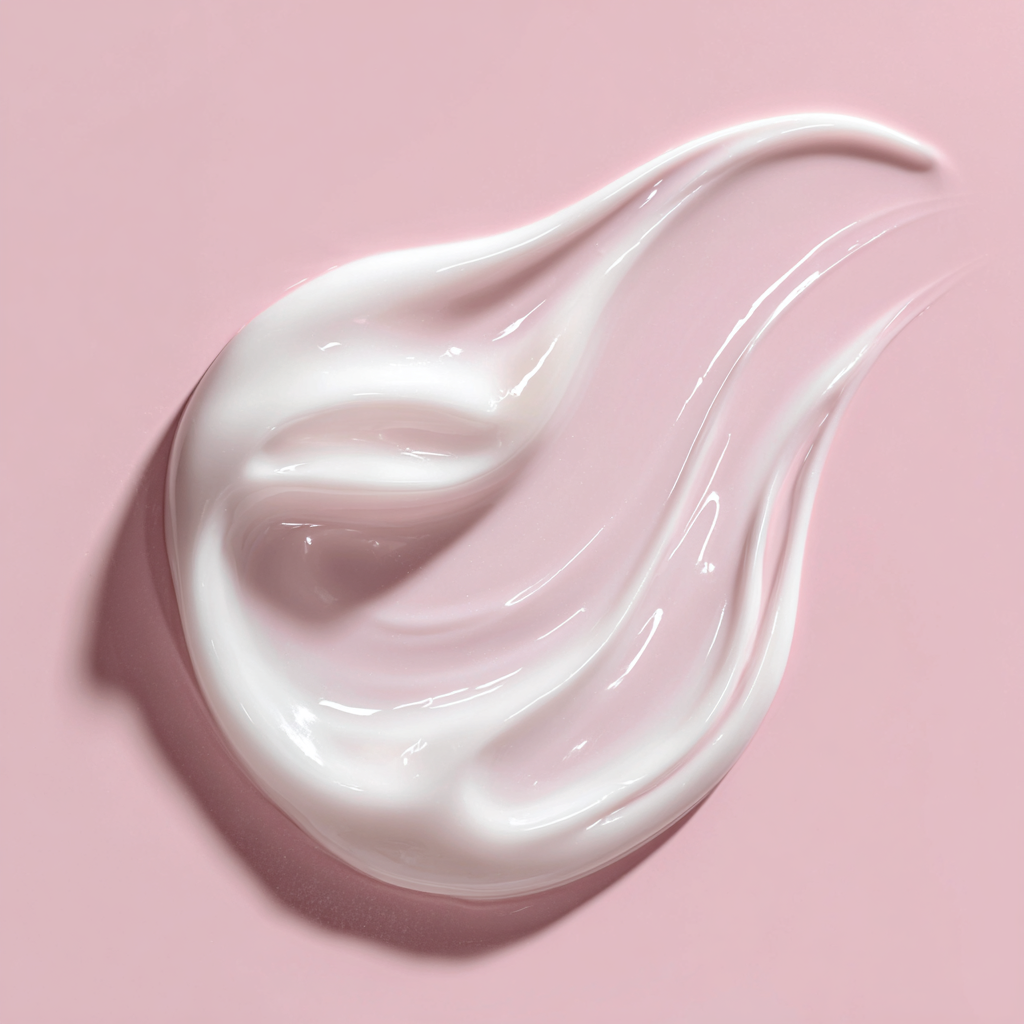
Emollients are the unsung heroes of skin health — the comforting, softening ingredients that restore smoothness, prevent dryness, and strengthen the skin barrier. They fill in the microscopic cracks between skin cells, creating a soft, even surface that feels supple, protected, and healthy.
Whether you’re repairing a compromised barrier, soothing rough texture, or maintaining a luminous, balanced complexion, emollients play a vital role in keeping skin comfortable and resilient. Unlike humectants (which draw in water) or occlusives (which seal it in), emollients work within the skin’s lipid layers — replenishing, smoothing, and rebuilding the natural barrier from within.
First, we’ll explore the core emollients — the essential ingredients that form the foundation of healthy, hydrated skin. These include ceramides, squalane, fatty acids, and natural oils that strengthen and repair the barrier at its deepest level.
Second, we’ll look at supporting and specialty emollients, including plant-derived oils, esters, and advanced synthetics that refine texture, add elegance, and provide targeted nourishment.

Explore each core emollient below to understand how it works, its benefits, and how to choose the right one for your routine.
Ceramides
The Barrier Rebuilder
Rebuilding the skin barrier, sealing in moisture, and improving resilience against dryness and irritation.
Ceramides are naturally occurring lipids that make up over half of the skin’s protective barrier. They act as the “mortar” between skin cells — filling gaps, locking in hydration, and keeping environmental irritants out. Without enough ceramides, the skin barrier weakens, leading to dryness, sensitivity, and rough texture.
Most common types of Ceramides:
- Ceramide NP – Restores hydration and improves softness in dry or rough skin.
- Ceramide AP – Enhances elasticity and supports long-term barrier repair.
- Ceramide EOP – Replenishes lipids to repair weakened or damaged skin.
- Ceramide NS – Improves moisture retention and protects from dehydration.
- Ceramide AS – Strengthens skin’s resilience and supports smoother texture.
How do they work? Ceramides reinforce the stratum corneum (the skin’s outermost layer) by replenishing lost lipids. This helps reduce transepidermal water loss (TEWL) and restore the skin’s ability to retain moisture. A strong barrier not only feels smoother but also better resists environmental stressors, pollution, and irritation.
When combined with cholesterol and fatty acids, ceramides help rebuild the lipid matrix in an ideal ratio, resulting in healthier, more balanced skin. Over time, they visibly improve suppleness, softness, and comfort — especially in dry or aging skin.
Side effects: Ceramides are generally well-tolerated by all skin types. Because they are skin-identical lipids, they very rarely cause irritation or sensitivity.
Choosing a product with Ceramides: Look for moisturisers or barrier creams containing multiple ceramide types (like Ceramide NP, AP, or EOP) alongside cholesterol and fatty acids. These combinations are clinically shown to restore the barrier more effectively. Ceramides are often featured in hydrating serums, creams, and overnight masks designed for sensitive or compromised skin.
Best Suited for:
- Dry, sensitive, or dehydrated skin
- Aging skin with a weakened barrier
- Post-exfoliation or retinoid use
- Conditions like eczema or dermatitis
Squalane
The Lightweight Replenisher
Lightweight yet deeply replenishing, mimicking the skin’s natural oils for balanced, silky hydration.
Squalane is the stable, hydrogenated form of squalene, a lipid naturally found in human sebum. It plays a vital role in keeping the skin soft, flexible, and protected. However, natural squalene levels decline with age, leading to dryness, roughness, and a loss of elasticity. Squalane replenishes this deficit — offering moisture, smoothness, and antioxidant defense in a lightweight, non-greasy texture.
Most common sources of Squalane:
- Olive-derived Squalane – Classic and rich, ideal for dry skin.
- Sugarcane-derived Squalane – Lightweight, stable, and eco-friendly.
- Amaranth- or Rice-derived Squalane – Naturally rich in antioxidants and phytonutrients.
How does it work? Squalane mimics the skin’s natural sebum, helping to reinforce the lipid barrier and prevent transepidermal water loss (TEWL). It softens and smooths the surface of the skin, increases elasticity, and enhances the absorption of other skincare ingredients.
As an antioxidant, it helps neutralise free radicals and defend against oxidative stress caused by pollution or UV exposure. Unlike heavier oils, squalane absorbs quickly and leaves a soft, velvety finish without clogging pores.
Side effects: Squalane is exceptionally well tolerated and suitable for all skin types — including sensitive, oily, and acne-prone. It is non-comedogenic, non-irritating, and hypoallergenic.
Choosing a product with Squalane: Look for 100% plant-derived squalane (often from sugarcane or olives) for maximum stability and purity. It is commonly found in serums, lightweight moisturisers, and facial oils. Products that combine squalane with ceramides or fatty acids deliver balanced, long-lasting hydration.
Best suited for:
- Normal to dry skin
- Oily or acne-prone skin needing lightweight hydration
- Sensitive or reactive skin
- Mature or photo-damaged skin
Fatty Acids
The Skin-Softening Lipids
Restoring elasticity and softness while supporting barrier repair and reducing inflammation.
Fatty acids are essential lipids that help maintain the structure and function of the skin barrier. They act as key building blocks within the outermost layer of skin, filling gaps between cells to keep moisture sealed in and irritants locked out. Without enough fatty acids, the skin can become dry, flaky, tight, and more prone to inflammation or sensitivity.
Most common types of Fatty Acids:
- Linoleic Acid (Omega-6) – Lightweight and anti-inflammatory; balances sebum and strengthens the barrier.
- Oleic Acid (Omega-9) – Rich and nourishing; replenishes lipids but can be heavier on oily or acne-prone skin.
- Palmitic Acid – Supports barrier function and provides cushioning softness.
- Stearic Acid – Smooths and conditions the skin, often used as a stabiliser in creams.
- Arachidonic Acid (Omega-6) – Plays a role in wound healing and cell renewal.
How do they work? Fatty acids replenish and repair the skin’s natural lipid matrix, helping to restore smoothness and flexibility. They support ceramide production, reduce transepidermal water loss (TEWL), and improve barrier strength — all while delivering comfort and elasticity.
Some fatty acids, like linoleic acid, also have anti-inflammatory and antimicrobial benefits, making them particularly valuable for acne-prone and reactive skin. Regular use helps the skin look more supple, resilient, and evenly textured.
Side effects: Most fatty acids are gentle and well tolerated. However, oils rich in oleic acid (such as olive oil) may feel too heavy or occlusive for oily or acne-prone skin types.
Choosing a product with Fatty Acids: Look for moisturisers, serums, or oils that list fatty acid-rich ingredients such as rosehip oil, hemp seed oil, evening primrose oil, or sunflower oil. Products that combine fatty acids with ceramides and cholesterol help restore the skin’s full lipid balance.
Best suited for:
- Dry, rough, or flaky skin
- Barrier-compromised or sensitive skin
- Acne-prone skin needing lightweight lipid repair
- Mature skin with decreased natural oils
Shea Butter
The Deep Nourisher
Rich and protective, nourishing dry or chapped skin and shielding it from environmental stressors.
Shea butter is a natural emollient extracted from the nuts of the Vitellaria paradoxa (shea) tree. Renowned for its luxurious texture and rich fatty acid profile, it’s one of skincare’s most effective ingredients for deeply conditioning and protecting the skin. Beyond moisturisation, shea butter soothes irritation, strengthens the barrier, and helps the skin recover from dryness or environmental damage.
Most common types of Shea Butter:
- Raw (Unrefined) Shea Butter – Retains natural vitamins and minerals; richer and more nourishing.
- Refined Shea Butter – Filtered and deodorised for a lighter texture and neutral scent.
- Shea Butter Esters (Hydrogenated Shea) – Modified for a smoother, faster-absorbing finish in modern formulations.
How does it work? Shea butter is rich in essential fatty acids (oleic, stearic, linoleic) and vitamins A and E. It forms a semi-occlusive layer on the skin, trapping moisture while allowing the skin to breathe. This barrier effect reduces transepidermal water loss (TEWL) and provides lasting softness.
Its natural anti-inflammatory and antioxidant properties also make it ideal for calming redness, healing chapped skin, and protecting against environmental aggressors like cold weather, pollution, and UV exposure.
Side effects: Shea butter is generally well tolerated by most skin types. However, it can feel heavy or greasy on oily or acne-prone skin, and in rare cases, may clog pores when overused.
Choosing a product with Shea Butter: Look for unrefined or cold-pressed shea butter for the richest nutritional benefits, or refined shea butter for a smoother, lightweight texture. Commonly found in barrier creams, body butters, hand balms, and winter moisturisers. Shea butter blends beautifully with ceramides and squalane for a complete barrier-supportive formula.
Best suited for:
- Dry, cracked, or rough skin
- Sensitive or reactive skin needing comfort
- Winter or harsh climate protection
- Areas prone to dehydration (hands, elbows, lips)
Jojoba Oil
The Skin-Balancing Emollient
Balancing sebum production and softening texture with a non-greasy, skin-identical finish.
Jojoba oil, technically a liquid wax ester, is derived from the seeds of the Simmondsia chinensis plant. Unlike typical plant oils, its molecular structure closely resembles the natural sebum produced by our skin. This makes it one of the most compatible and well-tolerated emollients in skincare — able to balance, hydrate, and soften without clogging pores or feeling heavy.
Most common types of Jojoba Oil:
- Golden (Unrefined) Jojoba Oil – Retains its natural nutrients, antioxidants, and golden hue.
- Refined Jojoba Oil – Clearer, lighter, and often used in sensitive-skin formulations.
- Jojoba Esters – A hydrogenated form with a silky, dry-touch finish and improved stability.
How does it work? Jojoba oil forms a breathable, protective film on the skin’s surface, preventing transepidermal water loss (TEWL) while allowing the skin to regulate its own oil production. Because it mimics natural sebum, it helps balance oily skin and replenish dry areas simultaneously.
It also contains natural vitamin E and fatty acids, offering antioxidant protection and mild anti-inflammatory effects that soothe irritation and redness. Its stable composition resists oxidation, making it an excellent base for serums and moisturisers.
Side effects: Jojoba oil is extremely gentle and non-comedogenic. Reactions are rare, but those with nut or seed allergies should patch test first.
Choosing a product with Jojoba Oil: Look for cold-pressed or organic jojoba oil for maximum nutrient retention. It’s commonly found in lightweight facial oils, hydrating serums, and barrier creams. It pairs well with humectants like hyaluronic acid or soothing actives like panthenol and centella.
Best suited for:
- Normal to combination skin
- Oily or acne-prone skin
- Sensitive or reactive skin
- Barrier support and lightweight daily hydration
Almond Oil
The Gentle Comforter
Comforting and smoothing, packed with fatty acids and vitamin E to condition and protect the skin.
Sweet almond oil, derived from the kernels of the Prunus amygdalus dulcis tree, is a nutrient-rich emollient long prized for its ability to soften, calm, and deeply condition the skin. It’s rich in omega-9 fatty acids, vitamin E, and antioxidants that restore suppleness and defend the skin against dryness and environmental stress.
Most common types of Almond Oil:
- Sweet Almond Oil – The most commonly used form in skincare, gentle and nourishing for all skin types.
- Bitter Almond Oil – Primarily used for fragrance; not typically recommended for topical skincare.
- Fractionated Almond Oil – A refined version that absorbs faster and leaves less residue.
How does it work? Almond oil functions as a softening lipid replenisher, filling microscopic gaps between skin cells to smooth texture and reduce flakiness. Its high vitamin E content provides antioxidant protection, while its fatty acid profile helps fortify the skin barrier and enhance elasticity. Regular use leaves the complexion feeling supple, even-toned, and comforted.
Side effects: Generally well tolerated and gentle, though those with nut allergies should avoid or perform a patch test before use. On oily or acne-prone skin, heavier almond oil formulations may occasionally feel too rich.
Choosing a product with Almond Oil: Look for cold-pressed sweet almond oil for maximum vitamin E and nutrient retention. It’s commonly found in barrier creams, hydrating cleansers, body oils, and nourishing serums. Almond oil combines well with ceramides and panthenol for enhanced barrier repair and softness.
Best suited for:
- Dry, rough, or flaky skin
- Sensitive or easily irritated skin
- Mature skin needing elasticity and comfort
- Areas prone to dryness such as hands, cuticles, or elbows
Cholesterol
The Essential Lipid Partner
Strengthening the barrier’s lipid matrix and restoring flexibility, especially in aging or sensitised skin.
Cholesterol is a naturally occurring lipid found in the outermost layer of the skin (the stratum corneum), where it works alongside ceramides and fatty acids to maintain structure, flexibility, and hydration. As we age, natural cholesterol levels in the skin decline, leading to tightness, rough texture, and a weakened barrier. Reintroducing cholesterol topically helps replenish this essential lipid and restore balance to the skin’s barrier function.
Most common types of Cholesterol used in skincare:
- Naturally Derived Cholesterol – Sourced from lanolin or plant sterols; supports lipid replenishment and barrier repair.
- Synthetic Cholesterol (Phytosterol-based) – Bio-identical version designed for sensitive-skin or vegan formulations.
- Cholesterol Esters – Modified, more stable forms that enhance absorption and provide a smoother finish.
How does it work? Cholesterol fills in the lipid “gaps” within the barrier structure, helping to stabilise and strengthen it. Together with ceramides and fatty acids, it creates the optimal 1:1:1 lipid ratio scientifically shown to restore barrier integrity and resilience. This trio not only reduces transepidermal water loss (TEWL) but also improves elasticity and texture, resulting in healthier, more supple skin.
Because cholesterol also influences cell membrane fluidity, it enhances the skin’s ability to self-repair, making it a vital ingredient in recovery formulas and anti-aging care.
Side effects: Cholesterol is skin-identical and very well tolerated. Irritation is rare, and it is safe for sensitive, dry, or post-procedure skin.
Choosing a product with Cholesterol: Look for moisturisers or barrier creams that combine cholesterol with ceramides and fatty acids — the most effective way to restore the skin’s natural lipid balance. It’s commonly found in rich moisturisers, night creams, and recovery balms formulated for dry, aging, or reactive skin.
Best suited for:
- Dry, mature, or dehydrated skin
- Aging or thinning skin
- Post-exfoliation or retinoid use
- Compromised or barrier-impaired skin
Olive Oil
The Natural Protector
Supplying antioxidants and essential lipids for a smooth, radiant complexion and improved moisture retention.
Olive oil, derived from the fruit of the Olea europaea tree, has been used for centuries as a natural moisturiser and skin protector. Rich in oleic acid, squalene, and vitamin E, it helps restore softness, strengthen the barrier, and protect against oxidative stress. Its nourishing profile makes it a classic emollient for restoring comfort to dry or mature skin.
Most common types of Olive Oil used in skincare:
- Extra Virgin Olive Oil – Minimally processed, retaining high levels of antioxidants and fatty acids.
- Refined Olive Oil – Lighter in colour and scent; suitable for sensitive-skin formulations.
- Olive Oil Derivatives (Hydrogenated or PEG-Modified) – Used in modern products for stability and faster absorption.
How does it work? Olive oil is naturally rich in oleic acid, a monounsaturated omega-9 fatty acid that replenishes the lipid layer and smooths texture. It also contains squalene, which mimics the skin’s natural sebum and enhances suppleness. Its antioxidants, including vitamin E and polyphenols, neutralise free radicals that contribute to premature aging.
When applied topically, olive oil softens and conditions the skin, reducing roughness and flakiness. It also helps prevent moisture loss, making it ideal for restoring comfort in dry or sun-exposed skin.
Side effects: While olive oil is deeply nourishing, its high oleic acid content can feel heavy on oily or acne-prone skin and may occasionally clog pores in those with very reactive complexions. Always patch test if you’re prone to congestion.
Choosing a product with Olive Oil: Look for cold-pressed or extra virgin olive oil in moisturisers, cleansing balms, and barrier creams. Many formulations pair olive oil with humectants like glycerin or hyaluronic acid to balance hydration. For lightweight alternatives, olive-derived squalane offers similar benefits without the richness.
Best suited for:
- Dry or mature skin
- Rough, flaky, or dull skin
- Post-sun exposure
- Normal skin needing antioxidant support
Caprylic/Capric Triglyceride
The Silky Enhancer
A lightweight emollient derived from coconut oil and glycerin that creates a smooth, non-greasy texture and enhances absorption of actives.
Caprylic/Capric Triglyceride is a highly stable and skin-compatible emollient made from the combination of coconut fatty acids and glycerin. It’s one of the most widely used ingredients in modern skincare formulations due to its light texture, non-greasy finish, and ability to improve the feel and spreadability of creams and serums.
Most common types and forms:
- Pure Caprylic/Capric Triglyceride – Derived from natural coconut oil for lightweight moisture.
- Medium-Chain Triglycerides (MCTs) – Similar in composition; used for their excellent skin absorption.
- Blends with Esters or Silicones – Combined to enhance glide and product stability.
How does it work? This emollient works by forming a soft, invisible layer on the skin that helps prevent moisture loss while leaving a silky-smooth finish. It acts as a carrier oil, helping active ingredients and vitamins penetrate more effectively. Unlike heavier oils, it absorbs quickly and doesn’t clog pores, making it ideal for both face and body care.
Caprylic/Capric Triglyceride is also oxidation-resistant, meaning it extends the shelf life of formulations and keeps products feeling fresh over time.
Side effects: Extremely well tolerated by all skin types. Non-comedogenic, fragrance-free, and hypoallergenic. Rarely causes sensitivity or breakouts.
Choosing a product with Caprylic/Capric Triglyceride: Found in almost every skincare category — from cleansers and moisturisers to sunscreens and serums. Look for it high in the ingredient list if you prefer lightweight hydration and a soft, satin-like finish. It’s an excellent choice for layering under makeup or for oily skin types that dislike heavy creams.
Best suited for:
- Normal to oily or combination skin
- Sensitive or reactive skin
- Those preferring lightweight, silky hydration
- Daily moisturisers, primers, or serums
Dimethicone (Silicone-Based Emollient)
The Barrier-Smoothing Protector
A synthetic, silicone-based emollient that forms a breathable, protective film on the skin — smoothing texture, preventing moisture loss, and enhancing product performance.
Dimethicone is one of the most widely used and dermatologist-approved emollients in skincare. It’s a type of silicone polymer known for its silky texture and exceptional ability to protect the skin without clogging pores. Contrary to common myths, dimethicone is non-comedogenic, hypoallergenic, and creates a flexible layer that keeps hydration locked in while allowing the skin to breathe.
Most common types of Dimethicone and related silicones:
- Dimethicone – Classic form that provides slip, softness, and long-lasting moisture retention.
- Cyclopentasiloxane – Lightweight and volatile, offering a quick-drying, silky finish.
- Dimethiconol – Adds extra smoothness and durability to formulations.
- Amodimethicone – Often used in haircare for conditioning; occasionally in skincare for extra barrier support.
- Plant-Derived Alternatives (Isoamyl Laurate, Coco-Caprylate) – Natural “green” silicones offering similar slip and texture.
How does it work? Dimethicone forms a breathable protective layer on the surface of the skin that smooths rough texture, reduces transepidermal water loss (TEWL), and shields against irritants and pollutants. It helps fill in fine lines temporarily for a smoother, more even appearance and acts as a vehicle that improves the spread and performance of other ingredients.
Because of its inert nature, dimethicone doesn’t react with active ingredients — making it ideal for pairing with acids, retinoids, and antioxidants to minimise irritation and boost comfort.
Side effects: Dimethicone is non-irritating and suitable for all skin types, including sensitive and acne-prone. It is fragrance-free and rarely causes allergic reactions. The only concern arises when it’s used in excess without proper cleansing, which may trap debris on the surface — not within pores.
Choosing a product with Dimethicone: Look for dimethicone or its alternatives (like coco-caprylate) in moisturisers, primers, sunscreens, or recovery creams designed to protect and smooth. It’s particularly useful in formulations meant to reduce friction, prevent chafing, or calm reactive skin.
Best suited for:
- Sensitive or easily irritated skin
- Dry, flaky, or compromised skin needing smoothness
- Barrier recovery and post-procedure care
- Daily moisturisers, sunscreens, and makeup primers

Explore each supporting & specialty emollients below to understand how it works, its benefits, and how to choose the right one for your routine.
Meadowfoam Seed Oil
The Velvety Moisture Seal
Exceptionally stable and rich in long-chain fatty acids that prevent moisture loss and give a soft, velvety finish.
Meadowfoam Seed Oil is derived from the seeds of the Limnanthes alba plant, a flowering species native to the Pacific Northwest. Praised for its exceptional stability and luxurious texture, this oil has become a favourite in modern skincare formulations that seek long-lasting moisture without heaviness. Its composition of long-chain fatty acids makes it both deeply conditioning and remarkably resistant to oxidation — meaning it stays fresh and effective far longer than most natural oils.
How does it work? Meadowfoam Seed Oil forms a lightweight, breathable barrier on the skin that locks in hydration and helps prevent transepidermal water loss (TEWL). Its unique fatty acid profile — rich in eicosenoic, docosenoic, and erucic acids — allows it to smooth rough texture, support elasticity, and enhance the skin’s natural suppleness. Because of its stable structure, it also helps extend the shelf life of other oils when blended, making it a valuable ingredient in both skincare and haircare formulations.
Side effects: Meadowfoam Seed Oil is non-comedogenic, hypoallergenic, and exceptionally gentle. It is suitable for all skin types, including sensitive and acne-prone, as it provides emollience without clogging pores or leaving a greasy film.
Choosing a product with Meadowfoam Seed Oil: Look for it in moisturisers, serums, and facial oils where long-lasting softness and a smooth finish are desired. It is often used to improve the spreadability of thicker formulations, pairing beautifully with ingredients like squalane, ceramides, and antioxidants. Its stability also makes it ideal for natural and clean formulations that avoid synthetic preservatives.
Best suited for:
- Normal to dry skin
- Mature or dull skin needing improved elasticity
- Sensitive skin seeking gentle, lasting hydration
- Anyone who prefers a soft, non-greasy finish
SUNFLOWER SEED OIL
The Barrier-Supporting All-Rounder
Rich in linoleic acid, supporting barrier function, elasticity, and overall skin comfort.
Sunflower Seed Oil is a lightweight, nutrient-rich emollient derived from the seeds of the Helianthus annuus plant. Loved for its versatility and gentle nature, it’s one of the most widely used natural oils in skincare — suitable for even the most sensitive and reactive complexions. Its high concentration of linoleic acid (an omega-6 fatty acid) makes it particularly effective in replenishing the skin’s lipid layer, improving softness, and enhancing the skin’s natural barrier function.
How does it work? Sunflower Seed Oil helps maintain the integrity of the stratum corneum by restoring essential fatty acids that the skin cannot produce on its own. This improves hydration, reduces transepidermal water loss (TEWL), and supports overall barrier resilience. The oil’s natural vitamin E content also provides antioxidant protection, helping defend the skin from environmental stress and premature aging.
Unlike heavier oils rich in oleic acid, sunflower oil absorbs quickly without leaving residue. Its soothing and anti-inflammatory properties make it ideal for calming irritation, redness, or dryness — especially in barrier-impaired or eczema-prone skin.
Side effects: Sunflower Seed Oil is non-comedogenic, gentle, and highly compatible with all skin types. It is safe even for acne-prone and sensitive skin, with minimal risk of irritation or clogging.
Choosing a product with Sunflower Seed Oil: Look for cold-pressed or unrefined sunflower oil for maximum nutrient retention. It’s commonly found in moisturisers, cleansing oils, and barrier creams formulated for hydration and protection. When paired with ceramides, panthenol, or niacinamide, it enhances both softness and long-term barrier repair.
Best suited for:
- Dry, dehydrated, or rough skin
- Sensitive or redness-prone skin
- Compromised or eczema-prone barriers
- All skin types seeking lightweight nourishment
MACADAMIA NUT OIL
The Lipid-Restoring Softener
High in palmitoleic acid, closely resembling human sebum, softening and replenishing mature or dry skin.
Macadamia Nut Oil is a luxurious emollient extracted from the nuts of the Macadamia integrifolia tree. Renowned for its rich, silky texture, it is particularly beneficial for dry, mature, or lipid-depleted skin. What makes this oil exceptional is its high content of palmitoleic acid — a monounsaturated fatty acid naturally found in human sebum, which declines with age. This close resemblance to the skin’s natural lipids allows macadamia oil to absorb easily and restore balance without leaving a greasy residue.
How does it work? Macadamia Nut Oil reinforces the skin’s lipid barrier by filling in gaps between skin cells with nourishing fatty acids such as palmitoleic, oleic, and linoleic acids. This not only improves softness and elasticity but also enhances the skin’s ability to retain moisture and defend against external stressors.
Its antioxidant profile — rich in vitamin E, phytosterols, and squalene — helps protect against oxidative stress and environmental damage, promoting a smoother, more resilient complexion.
Because of its skin-identical composition, macadamia oil supports natural regeneration, helping to restore comfort to skin that feels tight, dry, or fragile.
Side effects: Generally very well tolerated. It is non-irritating and safe for most skin types, though those with nut allergies should patch test before use. Its rich texture may feel heavy on very oily or acne-prone skin.
Choosing a product with Macadamia Nut Oil: Look for cold-pressed or unrefined macadamia oil for maximum nutritional value. It’s often featured in nourishing creams, night treatments, and body oils for restoring suppleness and reducing dryness. It blends beautifully with ceramides, shea butter, and cholesterol in barrier-repair formulas.
Best suited for:
- Dry or mature skin with reduced natural oils
- Dehydrated or rough texture
- Sensitive or reactive skin needing lipid replenishment
- Post-sun or seasonal dryness
Avocado Oil
The Nutrient-Dense Replenisher
A nutrient-dense emollient rich in vitamins A, D, and E plus omega-9 fatty acids, deeply nourishing and anti-inflammatory for dry or stressed skin.
Avocado Oil, extracted from the flesh of the Persea americana fruit, is one of nature’s richest sources of skin-restoring nutrients. Its dense concentration of vitamins, essential fatty acids, and antioxidants makes it an exceptional emollient for soothing dryness, improving elasticity, and supporting the skin’s natural repair processes.
Unlike many plant oils that sit on the surface, avocado oil penetrates more deeply, helping to deliver lasting softness and hydration.
How does it work? Avocado Oil is rich in oleic acid (omega-9), which strengthens the lipid barrier and helps retain moisture within the stratum corneum. It also contains linoleic acid (omega-6) and palmitic acid, which improve texture, smoothness, and resilience. Its naturally occurring vitamins A, D, and E act as potent antioxidants, neutralising free radicals and supporting the regeneration of damaged or photoaged skin.
Additionally, avocado oil’s phytosterols and polyhydroxylated fatty alcohols provide anti-inflammatory benefits, helping to calm redness, irritation, and dryness. It’s especially valuable for mature or compromised skin that has lost lipid density or feels rough and tight.
Side effects: Avocado Oil is generally well tolerated by most skin types, though its richness can feel heavy for oily or breakout-prone skin. Those with latex allergies should patch test first, as the oil may contain trace latex proteins.
Choosing a product with Avocado Oil: Look for cold-pressed, unrefined avocado oil, which retains its signature green hue and full vitamin profile. It’s commonly found in rich moisturisers, overnight masks, and reparative facial or body oils.
When combined with ceramides, shea butter, or squalane, it provides deep comfort and lasting nourishment.
Best suited for:
- Dry, rough, or flaky skin
- Mature or photo-damaged skin
- Sensitive or inflamed skin needing repair
- Seasonal dryness and post-sun care
Jojoba Esters
The Silky Smooth Stabiliser
A hydrogenated form of jojoba oil with a drier, silky feel and greater stability for modern formulations.
Jojoba Esters are the refined, hydrogenated version of traditional jojoba oil — transformed into a highly stable, elegant emollient that mimics the skin’s natural lipids while offering a lighter, more polished finish. Derived from the seeds of the Simmondsia chinensis plant, these esters retain jojoba’s skin-identical structure but are more resistant to oxidation and have a smoother, non-greasy texture.
How does it work? Jojoba Esters work by forming a soft, breathable film over the skin’s surface that helps reduce transepidermal water loss (TEWL) and maintain hydration. Their lipid composition closely resembles the wax esters found in human sebum, allowing them to reinforce the skin’s natural barrier without clogging pores. Unlike heavier oils, they absorb quickly, leaving a velvety, satin-like finish.
Because of their oxidative stability and compatibility, jojoba esters are often used to enhance the sensory feel and longevity of creams, serums, and balms. They improve product spreadability, cushion, and texture while boosting long-term moisture retention.
Side effects: Jojoba Esters are non-comedogenic, non-irritating, and hypoallergenic — making them suitable for all skin types, including sensitive and acne-prone. Reactions are rare.
Choosing a product with Jojoba Esters: Look for formulations that list “Jojoba Esters” or “Hydrogenated Jojoba Oil” in the ingredients. These are common in barrier-repair creams, hydrating serums, and modern emulsions that emphasise smooth texture and skin comfort. When combined with other emollients like squalane, fatty acids, or shea butter, jojoba esters help enhance the overall sensorial and restorative profile.
Best suited for:
- Combination, oily, or breakout-prone skin needing hydration
- Sensitive skin seeking lightweight barrier repair
- Formulas prioritising smooth texture and fast absorption
- Everyday moisturisers, primers, and recovery creams
Isoamyl Laurate / Coco-Caprylate
The Green Silicone Alternative
Plant-derived “green” silicones offering a lightweight, elegant slip and soft finish as natural alternatives to dimethicone.
Isoamyl Laurate and Coco-Caprylate are modern, biodegradable emollients derived from renewable plant sources such as sugarcane and coconut. Designed to replicate the luxurious texture of silicones — without their synthetic origin — these ingredients provide a smooth, silky finish while maintaining a skin-friendly and eco-conscious profile.
How do they work? Both Isoamyl Laurate and Coco-Caprylate act as film-forming emollients that reduce transepidermal water loss (TEWL) and enhance product spreadability. They leave the skin soft and velvety to the touch without heaviness or residue. These ingredients also improve the sensory feel of formulations, allowing products to glide effortlessly and absorb evenly.
Unlike traditional silicones, these “green” alternatives are non-occlusive and fully biodegradable, meaning they don’t build up on the skin or environment. Their lightweight nature makes them especially suitable for sensitive, combination, or acne-prone skin types that prefer fast-absorbing hydration.
Side effects: Exceptionally gentle and non-comedogenic. Because they are derived from natural fatty alcohols and acids, they are suitable for all skin types and rarely cause irritation or congestion.
Choosing a product with Isoamyl Laurate / Coco-Caprylate: These emollients are often listed in the ingredients of lightweight creams, sunscreens, and hydrating serums where texture and elegance are key. They are frequently used as substitutes for dimethicone, providing the same silky application with a cleaner, more sustainable profile. Look for them in barrier creams or “clean beauty” formulations marketed as silicone-free.
Best suited for:
- All skin types, including oily and acne-prone
- Those seeking lightweight, fast-absorbing hydration
- Eco-conscious consumers avoiding silicones
- Modern, silky formulations and daily moisturisers
Esters (Isopropyl Myristate, Cetyl Palmitate, Ethylhexyl Stearate)
The Texture Refiners
Synthetic or naturally derived skin-conditioning agents that enhance softness, spreadability, and absorption for a smoother skin feel.
Esters are a diverse class of emollients created by combining fatty acids with fatty alcohols. They can be naturally derived (from plants and oils) or synthesised for specific texture and performance benefits. In skincare, esters are prized for their ability to improve product spreadability, create a silky-smooth finish, and enhance the delivery of active ingredients — all while keeping the skin soft and comfortable.
How do they work? Esters function as lightweight conditioning agents that fill in micro-irregularities on the skin’s surface, leaving it soft and even. They create a smooth, emollient layer that locks in moisture and enhances the sensorial quality of creams, lotions, and serums.
Different esters offer unique textures:
- Isopropyl Myristate – Ultra-light and fast-absorbing, often used in dry-touch formulations.
- Cetyl Palmitate – A waxy ester that adds structure and a rich feel to creams and balms.
- Ethylhexyl Stearate – A silky liquid ester that enhances glide and gives products a luxurious slip.
Because of their versatility, esters can also help solubilise and stabilise other ingredients, ensuring formulas remain consistent and effective.
Side effects: Generally very safe and well tolerated. However, some esters — particularly isopropyl myristate — can be comedogenic for oily or acne-prone skin when used in high concentrations. Formulations designed for sensitive or blemish-prone skin typically use lighter, non-comedogenic esters.
Choosing a product with Esters: Esters are found in a wide range of products — from moisturisers and sunscreens to cleansers and primers. Look for them in the ingredient list when seeking a product with a smooth, elegant texture and improved spreadability. Natural-origin esters (from coconut, palm, or castor oil) are also increasingly common in clean formulations.
Best suited for:
- Normal to dry skin
- Those seeking silky, fast-absorbing hydration
- Products where texture and glide are key (e.g., sunscreens, primers, emulsions)
- All skin types, with caution for very oily or acne-prone skin using heavier esters
Lanolin
The Natural Barrier Shield
A breathable, protective emollient that locks in moisture and soothes cracked or compromised skin.
Lanolin is a rich, wax-like emollient naturally derived from the wool of sheep. Long used in dermatology and skincare, it is one of the most effective ingredients for softening, repairing, and shielding very dry or chapped skin. Its molecular structure closely resembles the skin’s own lipids, allowing it to blend seamlessly with the natural barrier and help restore elasticity and comfort.
How does it work? Lanolin functions as a semi-occlusive emollient, creating a flexible, breathable layer that prevents transepidermal water loss (TEWL) while still allowing the skin to exchange oxygen. This makes it particularly effective for healing cracked or compromised areas without suffocating the skin.
In addition to sealing in moisture, lanolin draws a small amount of water from the deeper layers of the skin to the surface, enhancing hydration from within. Its combination of wool-derived esters, fatty acids, and alcohols makes it a powerful barrier-repairing agent, often compared to natural skin lipids.
Side effects: Lanolin is generally well tolerated, though it can occasionally cause irritation or allergic reactions — especially in individuals sensitive to wool or wool-derived products. Modern, medical-grade lanolin is highly purified and far less likely to cause sensitivity than older cosmetic grades.
Choosing a product with Lanolin: Look for ultra-purified or medical-grade lanolin in balms, ointments, and lip care products. It’s ideal for treating areas prone to dryness or friction such as lips, hands, heels, and cuticles. Lanolin is also commonly included in barrier repair creams and post-procedure products to protect healing skin.
Best suited for:
- Severely dry, cracked, or chapped skin
- Post-procedure or compromised skin needing protection
- Lips, hands, and body areas exposed to harsh weather
- Normal to dry skin types (avoid if wool-sensitive)
BISABOLOL
The Soothing Defender
A calming, anti-inflammatory emollient derived from chamomile that soothes irritation and enhances the skin’s tolerance to active ingredients.
Bisabolol is a naturally occurring compound found in the essential oil of German chamomile (Matricaria chamomilla) and can also be produced synthetically for consistency and purity. Long recognised for its anti-inflammatory, anti-irritant, and skin-conditioning benefits, bisabolol is a gentle yet powerful addition to skincare formulations — particularly those targeting sensitive, reactive, or over-treated skin.
How does it work? Bisabolol helps to calm inflammation and reduce redness by inhibiting pro-inflammatory mediators within the skin. As an emollient, it provides a soft, silky texture while supporting barrier repair and improving the skin’s resilience to environmental stress. Its antioxidant properties also help neutralise free radicals and protect against daily aggressors like UV exposure and pollution.
One of bisabolol’s most valuable traits is its ability to enhance the penetration and efficacy of other ingredients, allowing actives like panthenol, niacinamide, or ceramides to perform more effectively while reducing potential irritation.
Side effects: Bisabolol is exceptionally gentle and non-sensitising, even for highly reactive or compromised skin. Derived from chamomile, it is safe for those with mild fragrance sensitivities, though individuals with allergies to the Asteraceae (daisy) family should patch test before use.
Choosing a product with Bisabolol: You’ll often find bisabolol in calming serums, barrier creams, and after-sun or post-procedure formulations. It pairs beautifully with ingredients like panthenol, centella asiatica, or allantoin to restore comfort and balance to sensitive skin.
Best suited for:
- Sensitive or reactive skin
- Redness-prone or inflamed skin
- Barrier recovery after exfoliation or retinoid use
- All skin types needing soothing and protection

How Emollients Fit Into Your Routine
Emollients are the heart of a balanced skincare routine — the ingredients that restore softness, smoothness, and resilience by rebuilding the skin’s lipid barrier. From core moisturising agents like ceramides and squalane to nourishing plant oils and esters, emollients help maintain comfort, prevent dryness, and keep your complexion supple and luminous.
For lasting results, emollients work best when layered with humectants (to attract moisture) and occlusives (to seal it in) — completing the hydration cycle that keeps skin supple and glowing.
Ready to go deeper? Explore the rest of our Ultimate Guide Series — from Acids and Humectants to Antioxidants, Peptides, and Sunscreen Actives — and build your complete skincare knowledge below.
THE FULL GUIDES TO SKINCARE INGREDIENTS
-

SKINCARE HUMECTANTS
Go to guideFrom dehydration to surface roughness, humectants draw water into the skin to boost hydration. Glycerin attracts moisture, hyaluronic acid binds it, and urea softens—supporting elasticity, smoothness, and barrier function.
-

SKINCARE OCCLUSIVES
Go to guideFrom healing balms to lightweight protectors, occlusives seal in moisture and shield the skin barrier. Petrolatum locks, dimethicone smooths, and beeswax softens—preventing water loss and maintaining comfortable hydration.
-
SOOTHING & REPAIRING INGREDIENTS
Go to guideFrom irritation to barrier damage, soothing and repairing ingredients restore balance. Panthenol hydrates, Centella calms, and ceramides strengthen—working together to comfort, repair, and protect the skin.
-

SKINCARE ANTIOXIDANTS
Go to guideFrom pollution to UV stress, antioxidants defend the skin from daily damage. Vitamin C brightens, Vitamin E protects, and Green Tea soothes—helping maintain resilience, smoothness, and long-term skin health.
-

BRIGHTENING AGENTS
Go to guideFrom dullness to discolouration, brightening agents restore clarity and glow. Vitamin C energises, Niacinamide refines, and Alpha Arbutin fades—each revealing a more even, luminous complexion.
-

SKINCARE ACIDS
Go to guideFrom congestion to uneven texture, skincare acids refine and renew the skin. AHAs smooth the surface, BHAs clear pores, and PHAs exfoliate gently—each tailored to different skin concerns and sensitivities.
-

Firming & Rejuvenating Ingredients
Go to guideFrom fine lines to loss of firmness, rejuvenating ingredients restore skin strength and vitality. Peptides signal, retinoids renew, and growth factors rebuild—supporting smoother texture, improved elasticity, and youthful resilience.
-

SUNSCREEN ACTIVES
Go to guideFrom sun damage to premature ageing, sunscreen actives protect skin at its foundation. Mineral filters shield, chemical filters absorb, and visible light protectants defend—preserving clarity, strength, and long-term skin health.


